
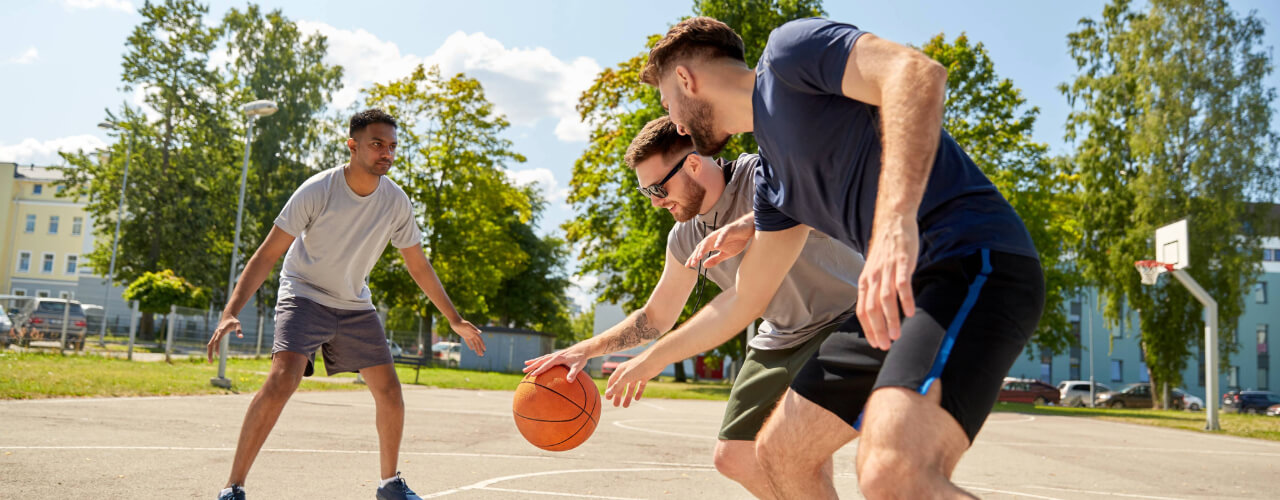

Your knees are pivotal in nearly every movement you make, from walking and running to jumping and climbing stairs. They support your body’s weight while enabling flexibility and mobility. Yet, because of their essential role, knees are highly susceptible to injury. That’s why knee injury prevention is so important. Taking proactive steps can help keep your knees strong and stable, ensuring you stay active without unnecessary setbacks.
Common Causes of Knee Injuries
Understanding why knee injuries happen is the first step in knee injury prevention. Here are the most common contributors:
Overuse
- Repetitive activities like running, jumping, or squatting can place undue stress on the knee joint, leading to strain or overuse injuries.
Poor Mechanics
- Muscle imbalances, weak stabilizing muscles, or improper alignment during movement can increase the risk of injury.
- Incorrect posture or faulty movement patterns can put added stress on the knees over time.
Lack of Preparation
- Skipping warm-ups or neglecting strength and flexibility training can make the knees more vulnerable to strain.
- Insufficient preparation often leads to stiffness or reduced shock absorption during activity.
Accidents and Trauma
- Sudden impacts, falls, or twisting motions during sports or daily activities can damage ligaments or cartilage in the knee.
- Addressing these factors can significantly reduce your risk of knee injuries.
Best Practices for Knee Injury Prevention
Proactive steps can go a long way in maintaining knee health. Consider these evidence-based strategies:
Strengthen Key Muscles
- Building strength in the quadriceps, hamstrings, and glutes supports the knee joint.
- Strong muscles absorb shock more effectively, reducing strain on the knee during activity.
Enhance Mobility
- Mobility exercises focus on improving the range of motion in the hips, knees, and ankles, ensuring smoother and safer movements.
- Increased mobility reduces compensatory stresses on the knee joint.
Maintain Proper Joint Health
- Proper posture and movement mechanics distribute weight evenly across the knees, minimizing uneven wear and tear.
- Gait analysis and specific movement checks can pinpoint areas needing improvement.
Warm-Up and Cool-Down
- Dynamic stretches before exercise prepare the knees for movement, while cool-down routines aid recovery.
- Stretching helps maintain flexibility in surrounding muscles like the hamstrings and calves.
Gradual Progression
- Avoid sudden increases in intensity or duration of activities. Gradual progression helps the body adapt without overloading the knees.
- Incorporating these strategies into your routine can make a significant difference in keeping your knees healthy and resilient.
How Physiotherapy Supports Knee Injury Prevention
Physiotherapy plays a vital role in helping individuals maintain strong, healthy knees. Physiotherapists use personalized, evidence-based approaches to address specific needs and minimize injury risks.
Functional Assessments
- Physiotherapists assess movement patterns, alignment, and biomechanics to identify potential risks.
- Proactively addressing these issues ensures that activities are safe and effective for the knees.
Exercise Prescription
- Physiotherapists design targeted exercise programs to strengthen the muscles around the knee.
- These exercises improve stability and reduce stress on the joint during movement.
Manual Therapy
- Hands-on techniques, such as joint mobilizations or soft tissue therapy, enhance joint function and reduce muscle tension.
- Manual therapy also helps improve flexibility and alleviate tightness in surrounding areas.
Patient Education
- Education is a cornerstone of physiotherapy. Patients learn proper lifting, walking, or sports techniques to protect their knees.
- Guidance on incorporating warm-up routines, posture corrections, and activity pacing empowers individuals to prevent injuries independently.
Physiotherapy isn’t just about recovery—it’s about prevention. With professional guidance, you can strengthen your knees, improve movement mechanics, and stay ahead of potential injuries.
Keep Moving, Stay Protected
Maintaining an active lifestyle starts with keeping your knees healthy. By implementing preventive measures and seeking guidance when needed, you can protect your knees from injury and enjoy the activities you love without interruption.
At Aldergrove Physiotherapy & Rehabilitation Centre, our skilled physiotherapists specialize in personalized strategies for knee injury prevention. Whether you’re an athlete or simply looking to stay active, we’re here to help you keep moving confidently.
Contact us today to learn more about how physiotherapy can support your knee health and overall mobility!